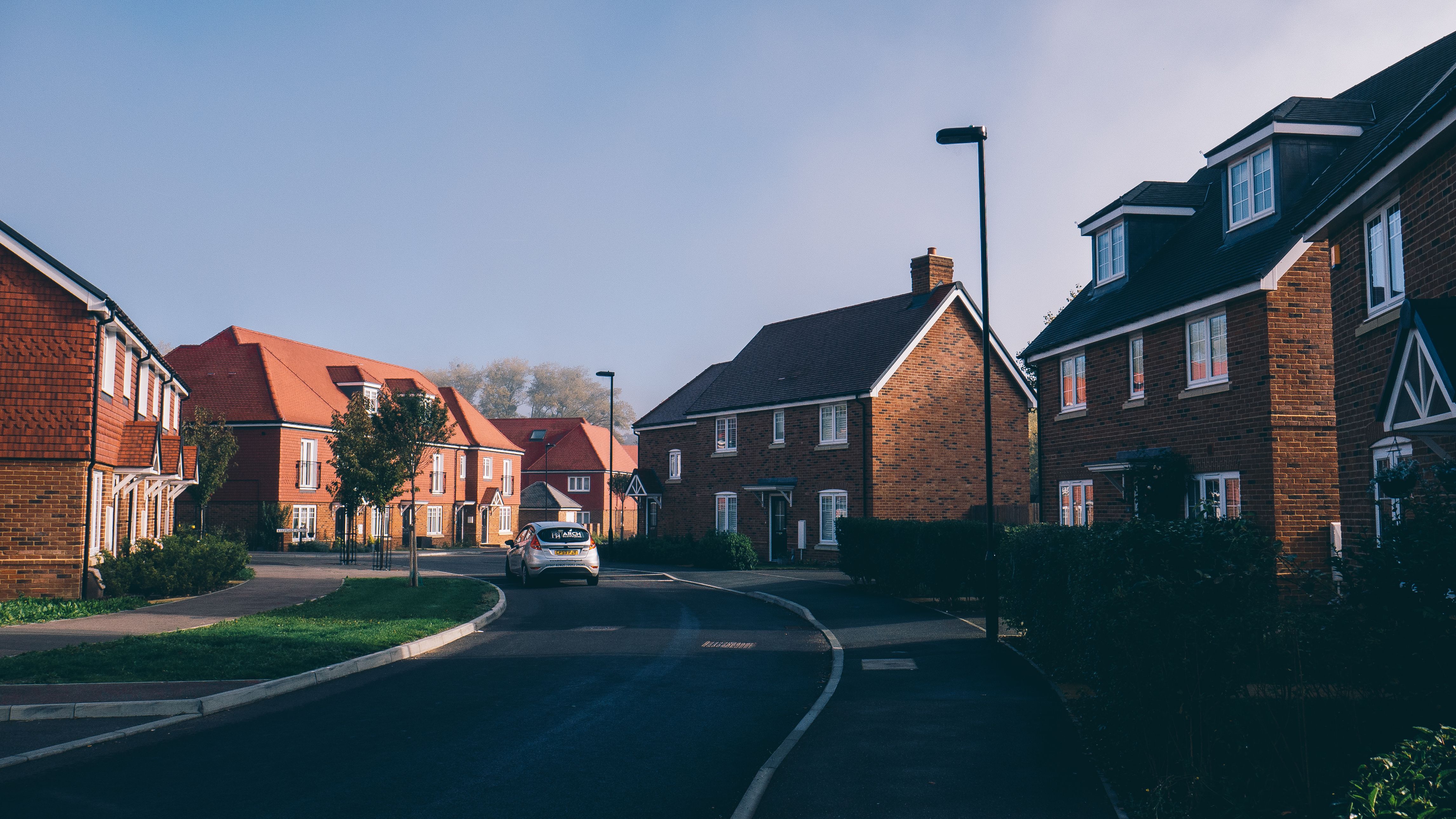
Regulation 46 requires the registered person to review the appropriateness and suitability of the location of the home's premises at least once in each calendar year, taking into account the requirement in regulation 12(2)(c) that premises are located so that children are effectively safeguarded.
The review must involve consulting, and taking into account the views of, each relevant person. It is one of the shortest regulations in the Regulations and one of the most heavily scrutinised at inspection.
Regulation 46 runs to two subsections and around sixty words. That brevity is misleading. The location assessment is the document that connects where your home physically sits to whether the children living in it can be kept safe, and it is one of the first things an inspector will ask to see when a home is in an area with known exploitation risk, a high missing-from-home rate, or a concentration of other provision.
It is also a document that frequently ages badly. A location assessment written at registration and lightly refreshed each year since describes a neighbourhood that may no longer exist.
What regulation 46 actually says
Regulation 46(1) requires the registered person to review the appropriateness and suitability of the location of the premises used for the purposes of the home at least once in each calendar year, taking into account the requirement in regulation 12(2)(c).
Regulation 12(2)(c) sits inside the protection of children standard and requires the registered person to ensure that the premises used for the purposes of the home are located so that children are effectively safeguarded. Regulation 46(2) then requires the registered person, when conducting the review, to consult and take into account the views of each relevant person.
That is the whole duty. Everything else that appears in a good location assessment is there because it evidences that judgement, not because a regulation lists it.
The calendar year trap
Read the wording carefully. Regulation 46(1) says "at least once in each calendar year". It does not say "at least every 12 months". Those are different obligations. A home that reviewed its location in November 2025 and again in January 2027 has left only 14 months between reviews, which sounds reasonable, but has no review at all dated in 2026. On the face of the regulation, that is a breach.
The safe approach is to fix the review to a point in the year and keep it there, rather than letting it drift forward from whenever the last one happened to be signed. Homes that schedule the location review alongside a quality of care review under regulation 45, which runs on a six-monthly cycle, tend to lose the anchor and drift. Treat it as an annual fixture in its own right.
Location, not premises
The regulation is about where the home is, not what the home is like. The condition, design and maintenance of the building are dealt with elsewhere: regulation 12(2)(d) requires the premises to be designed, furnished and maintained so as to protect children from avoidable hazards to health, and regulation 6(2)(c) requires them to be designed and furnished to meet each child's needs.
A location assessment that spends three pages on the fire panel, the boiler service and the state of the garden fence, and half a page on the neighbourhood, has answered the wrong question. The subject is the surrounding area and what it means for the specific children you care for.
Who you must consult
Regulation 46(2) requires consultation with each relevant person, and regulation 2(1) defines a relevant person as any person, body or organisation that the registered person considers to be relevant in relation to the care, protection or safeguarding of a particular child in all the circumstances.
As with notifications under regulation 40, that is a judgement rather than a checklist. In practice a defensible consultation usually reaches the local police, the local authority for the area in which the home is located, the local safeguarding partnership arrangements, placing authorities, and the children living in the home. Because the list is not prescribed, record who you approached, who responded, and what you did with what they told you. A review that reports "consulted police" without saying what the police said, or what changed as a result, has not really taken views into account.
What a review should cover
The Regulations do not prescribe contents, so this is a matter of professional judgement rather than compliance. A review that supports the regulation 12(2)(c) test usually addresses:
- Local risk that has changed since the last review. Exploitation and county lines activity, local patterns of missing episodes, licensed premises, known adults of concern, and anything the police or safeguarding partnership have flagged.
- Proximity to other provision. Other children's homes, supported accommodation and hostels nearby, and whether any concentration creates risk for your children.
- The children you actually have. A location that is appropriate for a home caring for younger children with disabilities may be unsuitable for adolescents at risk of exploitation. The assessment has to be read against your current cohort, not the cohort you registered for.
- Access to services. Education, health, CAMHS, transport, and how those affect a child's ability to attend what their plans set out.
- What you will do about it. Where a risk is identified, the mitigation, who owns it, and by when.
The link to your statement of purpose. Schedule 1 paragraph 4 requires the statement of purpose to include a description of the location of the home. If your annual review concludes that local risk has changed materially, check whether the statement of purpose still describes the home accurately. Regulation 16(3) requires the statement to be kept under review, and revisions to be notified to Ofsted with a copy sent within 28 days.
Why this document matters at registration
The location assessment is not only an annual compliance task. When the 2015 Regulations came into force they amended the Care Standards Act 2000 (Registration) (England) Regulations 2010 to refer to regulations 12(2)(c) and 46, which is why location assessment material forms part of what Ofsted considers on a registration application. Providers opening new provision are often surprised by how much weight sits on this single document, and by how specific it needs to be about the actual street rather than the general area.
Where location reviews fall short
They are copied forward. The clearest signal of a weak review is one that reads identically to last year's with the date changed. If nothing has changed in the area, the review should say so and explain what was checked to reach that conclusion.
They describe the area rather than assessing it. A paragraph noting that the home is in a quiet residential street near a park is a description. The assessment is what that means for the children currently living there.
Consultation is asserted rather than evidenced. Dates, who was contacted, what came back.
There is no action trail. A review that identifies a risk and stops has not closed the loop. The mitigation, owner and deadline are what turn the document into evidence of oversight.
Retention is undefined. Regulation 38(o) requires annual location reviews to be kept in an accessible manner and confirms they may be held electronically, but sets no retention period. That means you decide, and record why, in your own retention policy.
How OVcare supports location reviews
OVcare is children's home software built for UK children's homes, supported accommodation providers and family assessment centres. Annual reviews, policies and supporting documents are held in one place with version history, review dates and reminders, so an annual duty anchored to the calendar year does not depend on someone remembering.
Because incidents, missing episodes and restraint records sit in the same system, the patterns that should inform a location review are available as evidence rather than recollection. OVcare does not make the location judgement for you, and no software can determine an inspection outcome. What it can do is reduce the administrative burden and support a clearer audit trail behind the decision.
See how your annual reviews would be tracked. Book a free demo and we will walk through document control, review reminders and reporting for your setting. Book a free demo.
Related reading
- The Statement of Purpose: Regulation 16 and Schedule 1
- What Must You Notify Ofsted About? Regulations 40, 41 and 42
- Understanding Regulation 45 Reports
About the author. Paula Martinez has spent several years writing about and researching social care in England. She writes OVcare's regulation and compliance guides, working from the current text of the Regulations and Ofsted's published guidance rather than from secondary summaries.
Sources: The Children's Homes (England) Regulations 2015 (SI 2015/541), regulations 2, 12, 16, 38 and 46, at legislation.gov.uk. Guide to the Children's Homes Regulations including the quality standards, Department for Education.
This guide is provided for general information for care providers and does not constitute legal or regulatory advice. It covers Ofsted-registered children's homes in England; different requirements apply to supported accommodation under the Supported Accommodation (England) Regulations 2023, and to Wales, Scotland and Northern Ireland. Always refer to the current Regulations and take professional advice on your own circumstances.