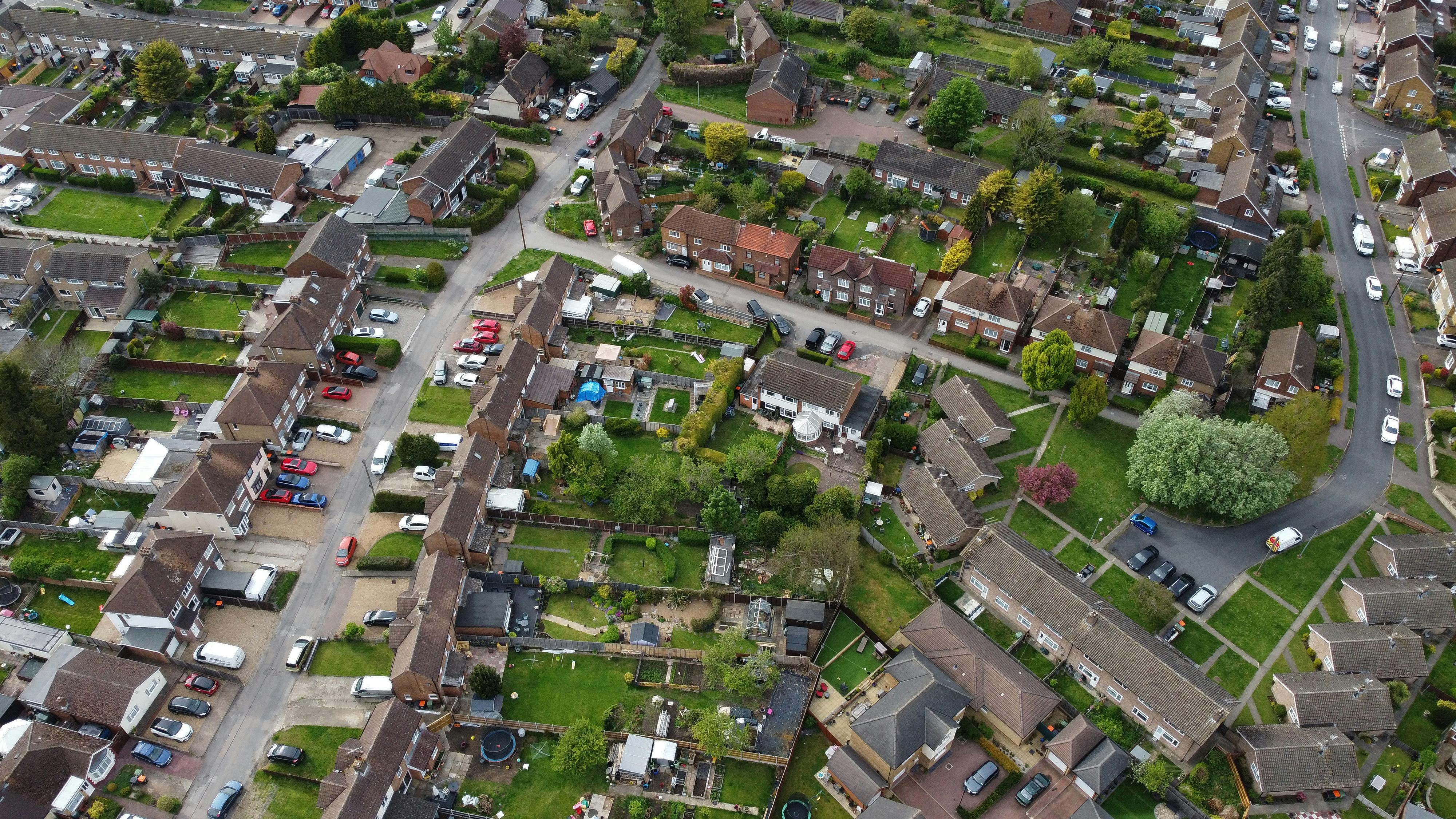
Ofsted's December 2025 annual report raises a troubling concern: the proliferation of children's homes in areas where housing is cheaper suggests some operators are being motivated by profit rather than children's needs. More than a quarter of all children's homes in England are located in the North West—a region accounting for just 18% of looked-after children.
This geographic mismatch isn't random. It reflects market dynamics where property costs, not children's welfare, drive location decisions. The consequences for children, families, and the care system are profound.
The Data on Geographic Concentration
Ofsted's 2025 data reveals stark regional imbalances in children's home distribution. The North West's share of homes increased from 25% to 26% in 2024-25, despite its proportion of England's looked-after children remaining at 18%. The region saw the largest absolute increase in both homes (160 additional settings) and capacity (390 additional places).
The East Midlands shows similar patterns. With 12% of registered homes and 11% of places, the region houses only 8% of England's looked-after children. This over-provision relative to local need suggests factors beyond demand are influencing provider decisions.
Conversely, London—with 10% of looked-after children—has just 8% of children's homes. The South East, home to 13% of looked-after children, contains only 10% of provision. These shortfalls force local authorities to place children far from their home areas.
Why Profit Drives Location Decisions
The correlation between property prices and children's home concentration is unmistakable. Areas with lower housing costs attract more providers because property acquisition and operational expenses directly impact profit margins.
Property Economics
Opening a children's home in London or the South East requires significantly more capital investment than in the North West or East Midlands. For privately-operated homes—which now comprise 84% of the sector—this cost differential directly affects return on investment.
The National Audit Office's January 2026 report notes that the rapid expansion in the North West continues a multi-year trend, with the region consistently recording the highest year-on-year increases. This sustained growth pattern suggests systematic investment strategies prioritizing areas with favorable property economics.
The Shift to Smaller Homes
The trend toward smaller homes compounds location challenges. The mean average capacity of homes registered in 2024-25 was three places, compared with four places previously. While smaller homes can offer more personalized care, they also enable providers to acquire properties in residential areas more easily—including in regions far from where children actually live.
The Children's Homes Association has expressed concern that this shift lacks evidence base, warning against assuming smaller automatically means better without considering the impact of geographic isolation.
The Impact on Children and Families
Geographic mismatch has direct, measurable consequences for children in care. As of March 2024, 67% of children in residential settings were placed outside their local authority area. Nearly half (49%) were placed more than 20 miles from home.
Distance from home complicates everything that matters for children's welfare and outcomes:
Disrupted Family Contact
Maintaining family relationships becomes logistically challenging and expensive when children are placed far from home. For parents without cars or those on limited incomes, regular visits to see their children become impossible. This disruption can undermine reunification efforts and damage crucial family bonds.
Educational Disruption
Moving children far from their home area typically means changing schools, severing friendships, and starting over academically. For children with special educational needs—57% of looked-after children—this disruption is particularly damaging.
Lost Community Connections
Children placed far from home lose access to familiar places, activities, and support networks. Youth workers, mentors, sports teams, and community groups that provided stability vanish when a child moves to a different region.
Key Insight: Research consistently shows that placement stability and maintaining local connections improve outcomes for looked-after children. Geographic dislocation works directly against these protective factors, prioritizing provider convenience over children's needs.
The Challenge for Commissioners
Local authorities face impossible choices when commissioning placements. Their statutory duty is to place children in appropriate settings, ideally close to home. But if local or regional provision doesn't exist, they must either:
- Place children far from home in available provision
- Pay premium rates for scarce local placements
- Use unregistered provision (with all its risks)
The National Audit Office notes that local authorities are forced to compete for spaces in an under-supplied market, driving high costs. When provision clusters in low-cost regions, commissioners in high-cost areas have limited options and reduced negotiating power.
Sufficiency Planning Limitations
A sufficiency audit published in October 2025 revealed 77 local authorities had firm budgeted plans to open their own children's homes by the end of the 2026/27 financial year. This represents recognition that market dynamics aren't meeting need.
However, local authority homes face the same property cost constraints as private providers. Opening local provision in high-cost areas requires significant capital investment that stretched budgets struggle to accommodate.
Regulatory and Policy Responses
Ofsted's January 2026 prioritization policy now considers geographic distribution when processing registration applications. Applications demonstrating understanding of local need and productive discussions with local authorities receive priority.
This policy shift acknowledges that the market isn't self-correcting. Without intervention, profit-driven location decisions will continue concentrating provision in low-cost areas regardless of where children actually live.
The Association of Directors of Children's Services has expressed concern about both the increasing registration of smaller homes and the further concentration of placements in certain regions. Both trends risk leading more children to be placed far from home.
The Cost-Quality Question
Despite geographic concentration, quality indicators remain relatively strong. Ofsted data shows 82% of children's homes inspected in 2024-25 were rated good or outstanding, up from 80% in 2023-24. Private sector homes—which drive geographic concentration—achieve similar quality ratings to local authority provision.
However, placement appropriateness involves more than just care quality within the home. A well-run home in the wrong location still fails to meet a child's need for family connection, educational continuity, and community belonging.
Addressing Geographic Mismatch
Solving geographic concentration requires coordinated action across multiple fronts:
Capital Funding for High-Cost Areas
The £563 million capital funding secured from 2021-2029 specifically targets areas where provision is scarce. Directing this funding toward high-cost regions where children live, rather than where property is cheap, could help rebalance supply.
Strengthened Regional Care Cooperatives
The Children's Commissioner calls for strengthened Regional Care Cooperatives to commission specialist provision jointly. Coordinated regional planning could counter individual providers' incentives to locate in low-cost areas by creating bulk purchasing power for appropriately located provision.
Location Requirements in Registration
Ofsted's prioritization policy could evolve to include explicit location requirements, fast-tracking applications for homes in under-supplied areas while scrutinizing applications that further concentrate provision in already over-supplied regions.
Enhanced Data and Transparency
Digital care management systems enable real-time tracking of where children are placed relative to where they live. Better data visibility helps commissioners identify gaps and make strategic placement decisions rather than accepting whatever is available.
Provider Perspective: Registered providers using location intelligence and commissioner relationship management tools can identify genuine gaps in provision and strategically position new capacity where it's most needed—creating competitive advantage while meeting children's actual needs.
Conclusion: Putting Children's Needs First
Geographic concentration of children's homes in low-cost areas represents market rationality overriding children's welfare. While individual providers act logically in minimizing property costs, the collective result is a care system that systematically places children far from everything that matters to them.
Ofsted's warning about profiteering reflects growing recognition that market forces alone won't create appropriately distributed provision. The 26% of homes in the North West and corresponding shortfalls in London and the South East demonstrate how profit-driven location decisions create care deserts in high-cost areas.
For children in care, geography isn't abstract. It determines whether they can see their parents regularly, keep their friends, stay in their school, and maintain the community connections that anchor identity and belonging. When homes cluster where property is cheap rather than where children live, we prioritize provider economics over child welfare.
The solution requires recognizing that children's residential care is a public good requiring market shaping, not just market participation. Capital funding directed to under-supplied areas, strengthened regional commissioning, and location-aware regulation all have roles to play.
For providers, the opportunity lies in strategic positioning. Understanding commissioner needs, identifying genuine supply gaps, and opening provision where children actually live creates sustainable competitive advantage while serving children appropriately.
Take Action: If you're considering expansion, strategic location analysis is essential. Contact OVcare to learn how data-driven approaches to capacity planning can help you position new provision where it's genuinely needed.
Sources:
- Ofsted, Annual Report 2024/25 (December 2025)
- National Audit Office, Managing Children's Residential Care (January 2026)
- Ofsted, Children's Social Care in England 2025 (August 2025)